



IAS 37 – Provisions, Contingent Liabilities and Contingent Assets
array(40) { [0]=> int(9099) [1]=> int(9071) [2]=> int(9617) [3]=> int(9183) [4]=> int(9102) [5]=> int(9068) [6]=> int(10952) [7]=> int(35654) [8]=> int(35652) [9]=> int(35579) [10]=> int(12639) [11]=> int(12216) [12]=> int(12204) [13]=> int(12080) [14]=> int(9639) [15]=> int(9629) [16]=> int(9220) [17]=> int(9612) [18]=> int(9082) [19]=> int(11823) [20]=> int(11884) [21]=> int(13159) [22]=> int(11768) [23]=> int(12223) [24]=> int(12814) [25]=> int(12489) [26]=> int(11258) [27]=> int(9394) [28]=> int(22481) [29]=> int(12152) [30]=> int(12105) [31]=> int(9145) [32]=> int(12428) [33]=> int(12467) [34]=> int(10513) [35]=> int(12696) [36]=> int(12353) [37]=> int(33769) [38]=> int(12189) [39]=> int(13232) } FAILED: !is_front_page The accounting treatment of provisions, contingent liabilities and contingent assets is one of the clearest examples of how accounting standards confront the effects of uncertainty in the business environment. In such cases, financial reporting must rely heavily on management’s estimates and judgments, and actual outcomes may differ significantly. This is especially true for provisions, which […]
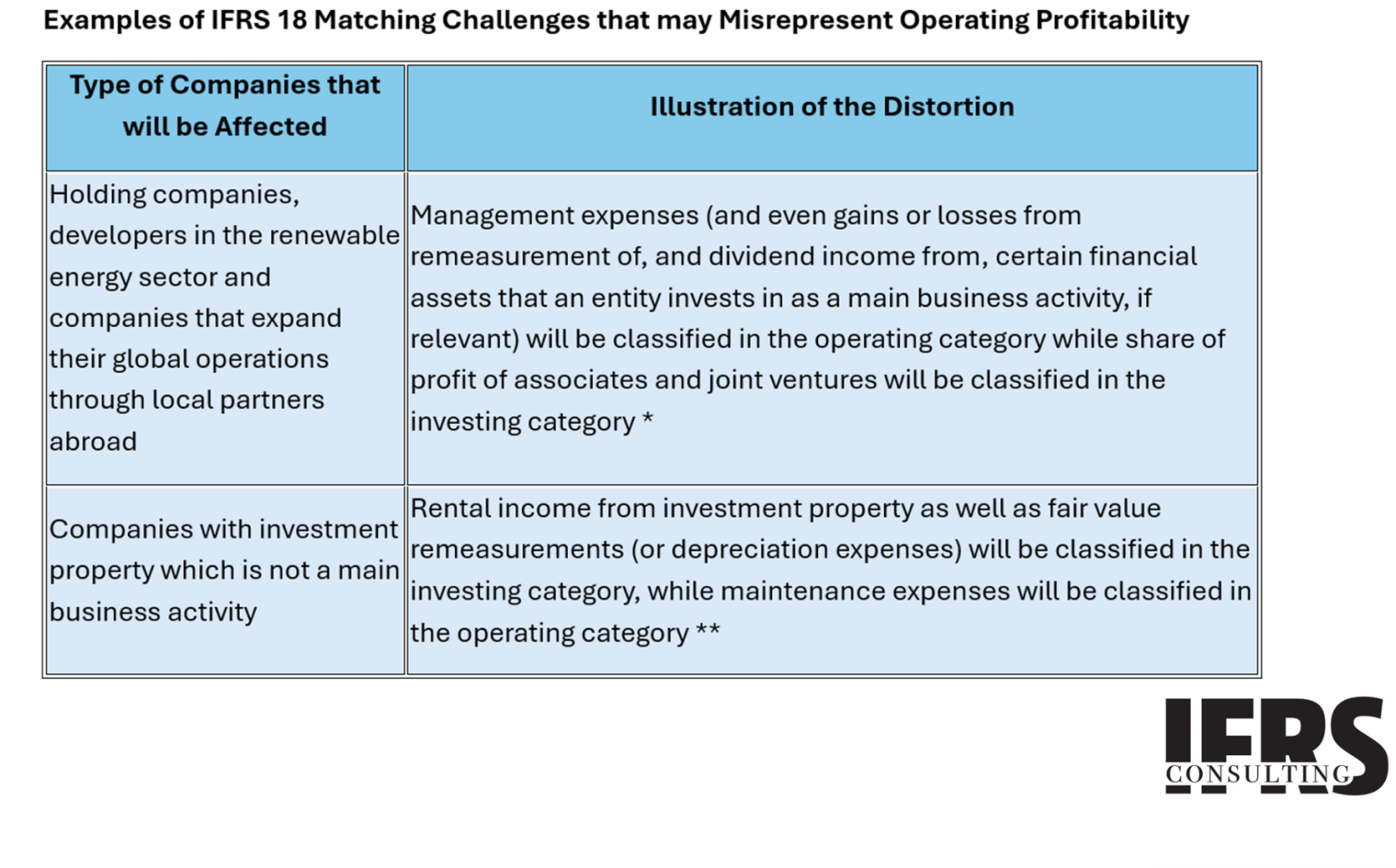
Inherent Distortion in IFRS 18: the Expected Impact on Operating Results of Companies Whose Main Business Activity Includes Investing in Associates and Joint Ventures Accounted for Using the Equity Method
array(40) { [0]=> int(9099) [1]=> int(9071) [2]=> int(9617) [3]=> int(9183) [4]=> int(9102) [5]=> int(9068) [6]=> int(10952) [7]=> int(35654) [8]=> int(35652) [9]=> int(35579) [10]=> int(12639) [11]=> int(12216) [12]=> int(12204) [13]=> int(12080) [14]=> int(9639) [15]=> int(9629) [16]=> int(9220) [17]=> int(9612) [18]=> int(9082) [19]=> int(11823) [20]=> int(11884) [21]=> int(13159) [22]=> int(11768) [23]=> int(12223) [24]=> int(12814) [25]=> int(12489) [26]=> int(11258) [27]=> int(9394) [28]=> int(22481) [29]=> int(12152) [30]=> int(12105) [31]=> int(9145) [32]=> int(12428) [33]=> int(12467) [34]=> int(10513) [35]=> int(12696) [36]=> int(12353) [37]=> int(33769) [38]=> int(12189) [39]=> int(13232) } FAILED: !is_front_page Companies that Invest in associates and joint ventures accounted for using the equity method as part of their main business activities may “fall between the cracks” under IFRS 18. This could be the case, for example, with holding companies, developers in the renewable energy sector and companies that expand their global operations through local partners […]
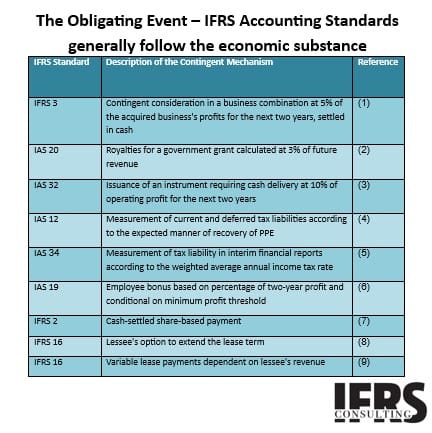
Off-Balance Sheet Financing: The Proposed Amendment to IAS 37 Demonstrates the Need to Recognise a Liability for the Acquisition of an Asset in Exchange for Performance-Based Contingent Consideration
Currently, IFRS does not provide an answer to the fundamental question of whether a financial liability arises from an obligation for contingent consideration that depends on the future performance of the acquirer in relation to the acquired asset, unless it involves a business combination. As a result, the practice in this area varies, and the acquisition of property, plant and equipment or an intangible asset in exchange for such contingent consideration may not appear at all in the statement of financial position.
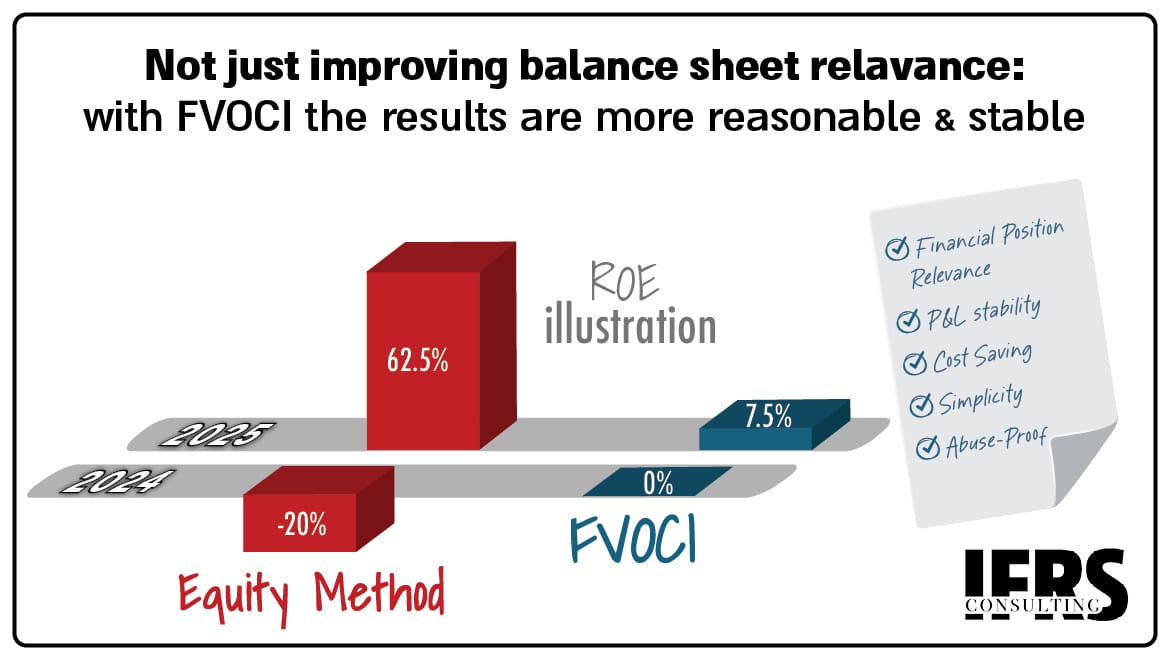
The Missing Twist in the New Proposal for Amendments to IAS 28 on the Equity Method
The New ED Proposal deliberately avoids fundamental issues of what exactly is significant influence and whether the equity method is a measurement basis or a one-line consolidation. However, the key issue that should have been addressed is why a fair value model, which is more relevant to investors, is not adopted for associates. A preferable alternative solution is that a fair value measurement for investments in listed associates should be required, while it will be optional for non-listed associates.
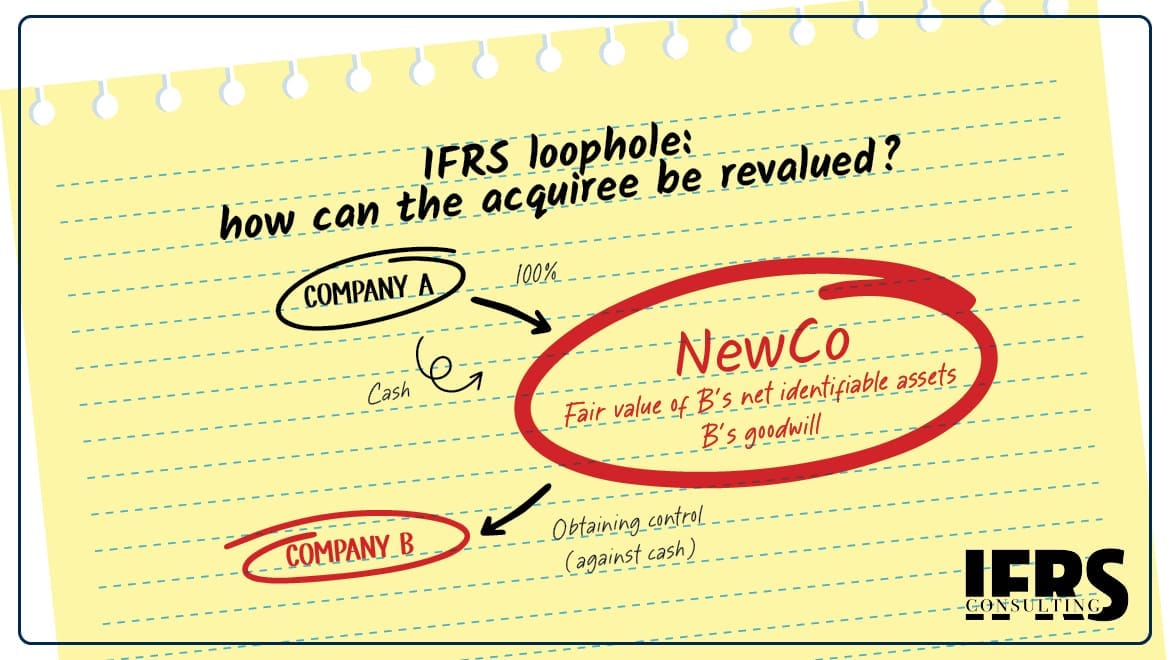
It is Time for the IFRS to Adopt Pushdown Accounting
Adopting the pushdown accounting model in IFRS will lead to a tremendous improvement in the relevance of financial statements without compromising their reliability. In line with a new extensive project taken by the IASB, and in view of the distortion resulting from the current cost accounting approach, this accounting model is an essential solution to the inadequate presentation of the economic value of intangible assets, which can constitute a significant portion of the value of many companies. Under this accounting model, upon a change in control a one-time revaluation of the acquired company's identifiable assets and liabilities and any goodwill are recognised in its own financial statements, which are derived from the new basis of accounting determined by the acquirer. Additionally, adopting this model will obviate the existing accounting loophole in structuring acquisition transactions using target companies.


